There’s something undeniably grounding about stepping outside in the early morning, before the world wakes up, and just listening. The stillness is not the absence of noise, but the presence of subtle ones—birds, wind, your own footsteps. It’s a rare moment when modern life feels simple. And perhaps that’s what we’re all chasing: simplicity, purpose, a sense of ease.
But somewhere along the way, we became obsessed with something else entirely: balance. More specifically, work-life balance. A phrase so common it’s become sacred. But what if—just what if—this whole idea is a myth that’s not only unhelpful but possibly harming us?
The Biological Myth of Rest
It’s often said that humans work too much, that we need more rest. But look across the animal kingdom and you’ll find a wide spectrum of activity. Ants and bees work tirelessly, their lives defined by contribution to the colony. On the flip side, apex predators like lions and leopards sleep up to 20 hours a day, exerting energy only when they must hunt. These aren’t moral choices—they’re survival strategies.
However, to say that “most animals never rest” isn’t quite accurate. Rest is a fundamental part of life for almost all animals. Even insects have rest cycles, and most mammals, including those on farms and in the wild, have daily periods of sleep. What is true, though, is that few animals experience leisure the way we define it: as guilt-free idleness with no purpose other than enjoyment.
That raises an interesting point—perhaps rest without purpose is not actually restful at all. Maybe that’s why we lie on a beach and feel inexplicably tense. Or sit on the sofa “relaxing” and feel worse after.
The Stress-Anxiety Distinction
One of the most insightful distinctions we can make in this conversation is the difference between stress and anxiety. Stress is a biological response to a known challenge or threat—like a tight deadline or a barking dog. It activates our body’s fight-or-flight response, and once the threat passes, the body relaxes.
Anxiety, on the other hand, is often a response to unknown or imagined threats. It’s the rustle in the bushes with no visible predator. The creeping sense of unease without a clear source. This ambiguity is what makes anxiety so difficult to manage. It’s not that nothing is wrong—it’s that we can’t identify what’s wrong, and that leaves us feeling constantly unsettled.
This is where modern life comes in. We live in the safest, most comfortable, most abundant time in human history. For many of us in the West, our basic survival is not at risk day-to-day. But our brains haven’t evolved as fast as our society. They’re still scanning for danger. So in the absence of a lion, we invent lions—in our inbox, our social status, our future.
Could Too Little Stress Be the Problem?
Here’s a radical thought: maybe some people aren’t overwhelmed by stress because they don’t have time to be. The small business owner, the parent with three kids, the person volunteering at the food bank—they might not have the luxury of existential dread. Their minds are occupied with doing, not ruminating.
Of course, it’s not that being busy magically protects you from mental health issues. Burnout is real, and some people keep busy as a way of running from deeper pain. But for others, activity is not escapism—it’s therapy. Work, structure, and social interaction give our minds something to grip onto. A reason to get out of bed.
Which brings us to a controversial but thought-provoking question: is prescribing “time off” for conditions like anxiety or depression always helpful? Not necessarily. Time off might reduce pressure, but if it leads to social isolation and lack of routine, it can make the problem worse.
Work Isn’t the Enemy—Meaninglessness Is
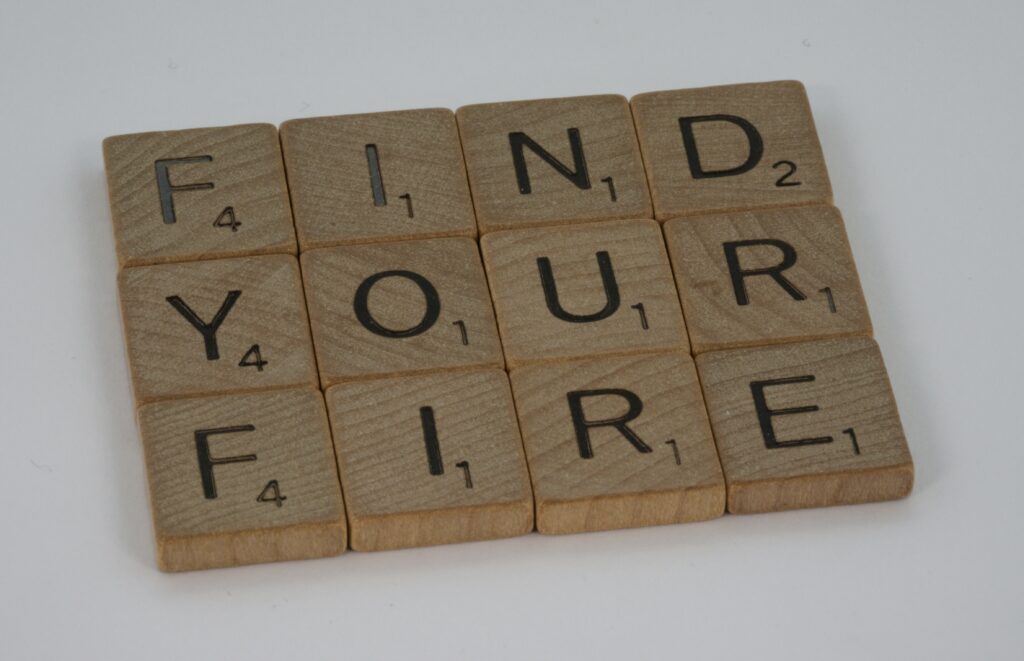
What most of us really want isn’t less work. It’s more meaning. The modern cry for work-life balance may be a cry for reconnection—with purpose, people, and place. It’s not the 9-to-5 that’s killing us. It’s the why that’s missing from it.
When people say, “I need a break,” they often mean, “I need a break from doing things that feel pointless.” But a shift in mindset can make all the difference. That’s why volunteering, hobbies, and even part-time work can be therapeutic for people struggling with depression or anxiety. It gives them a structure, a sense of contribution, and a reason to get dressed in the morning.
In the wild, a cat gets up because it’s hungry or threatened. Humans get up because someone’s counting on us, because we’re curious, or because we’re passionate about what we do. If those things disappear, we flounder.
Rethinking Balance
The idea of “balance” implies two opposing forces: work vs life. But what if we stopped thinking in opposites and started thinking in integration? Work is part of life. So is rest. So is play, and food, and talking to your neighbour.
The danger is in seeking some mythical ratio—8 hours work, 8 hours rest, 8 hours leisure—as if that’s the secret formula to happiness. Instead, perhaps we should be asking: What makes me feel engaged? What gives me purpose? And are my daily routines helping or harming my sense of connection?
A New Prescription: Purpose and People
If you’re feeling anxious, exhausted, or stuck, consider not just what you can remove from your life, but what you can add.
Volunteer. Not because it’s virtuous, but because it reconnects you with humanity.
Take on a small project. Something that requires focus but isn’t overwhelming.
Join a group. We are inherently social creatures. Isolation is a silent killer.
Move. Not for fitness, but for flow.
Create a routine. Not a rigid schedule, but an anchor for your days.
None of this dismisses clinical depression, trauma, or other complex mental health issues. But for many, anxiety and chronic stress aren’t a sign of doing too much—they’re a sign of doing too little of what matters.

The Final Thought
Maybe we’re not broken. Maybe we’re bored. Maybe we were never meant to be “balanced” in the way we’ve been sold, but rather alive—engaged, alert, responsive.
So next time you feel anxious for no reason, don’t just sit with it. Walk. Help someone. Start something. Do what the early morning asks of you: listen, and then move.
Because in a world where danger rarely knocks, maybe it’s not the rustle in the bushes that scares us—it’s the silence.
✅ If you’re a small business owner struggling with stress, overwhelm, or leadership fatigue, this article is for you. Discover how purpose-driven action—through structured bookkeeping, effective payroll systems, supportive HR practices, and clear leadership routines—can reduce anxiety and bring clarity.
👉 Book a free 1 hour coaching session to see how we can help. 20 minute initial discovery call followed by a 40 minute follow up coaching call.